Where Texas Commercial Real Estate Is Headed
The trends shaping demand across office, retail, industrial, and mixed use property in Texas.


Texas has spent the past decade as one of the most active commercial real estate markets in the country. Steady population growth, a broad economy, and a business friendly reputation have drawn companies and capital from across the nation. Looking ahead, the picture is less about a single trend and more about how several forces work together across different property types.
People and jobs keep arriving
The foundation of the Texas market is simple. People continue to move here, and employers follow. Each new resident adds demand for housing, shopping, services, and the distribution networks that supply them. Each new employer adds demand for office, industrial, or specialized space. That steady inflow supports commercial property in ways that a single strong year cannot.
Growth is not evenly spread, though. The largest metros capture much of the attention, while smaller cities along the major highways quietly benefit from spillover demand. Investors who look only at the biggest markets can miss opportunities in places that are growing quickly from a smaller base.
A diverse economy adds stability
Texas is no longer a one industry state. Energy remains important, but technology, healthcare, logistics, manufacturing, and professional services all play major roles. That diversity cushions the market when any single sector slows, and it broadens the base of tenants competing for space.
The strongest markets are usually the ones with several engines of growth rather than a single dominant industry.
How the property types differ
Not every category moves in the same direction at the same time. Understanding the differences helps owners and investors set realistic expectations.
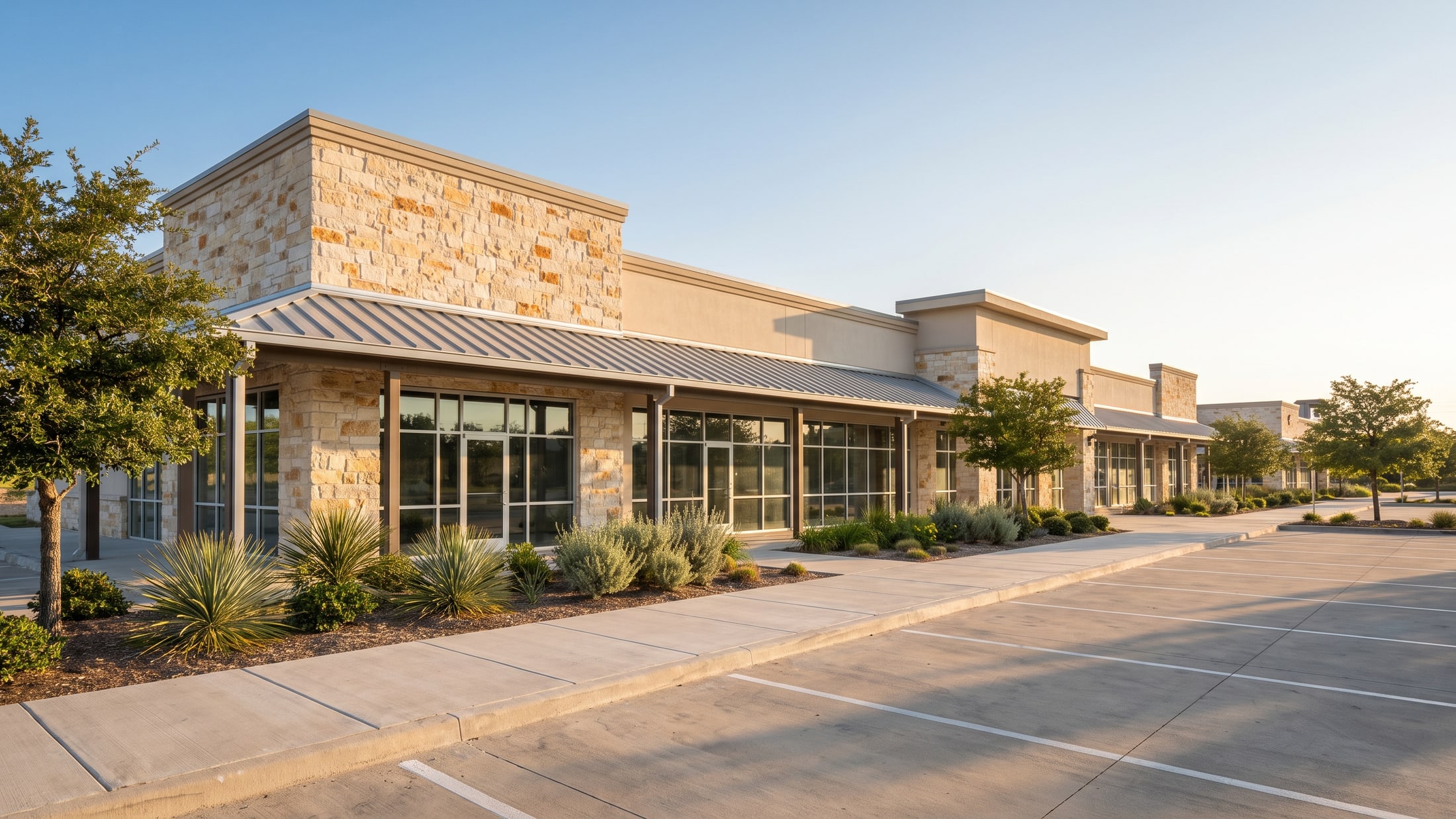
Industrial has been the standout performer, supported by e-commerce, distribution, and the state central location. Retail has proven more resilient than many expected, especially well located neighborhood centers anchored by everyday needs. Office has faced the most change, as employers rethink how much space they need and what kind of buildings attract workers back. Mixed use continues to gain interest, blending retail, office, and residential in walkable settings that appeal to growing communities.
Office deserves a closer look
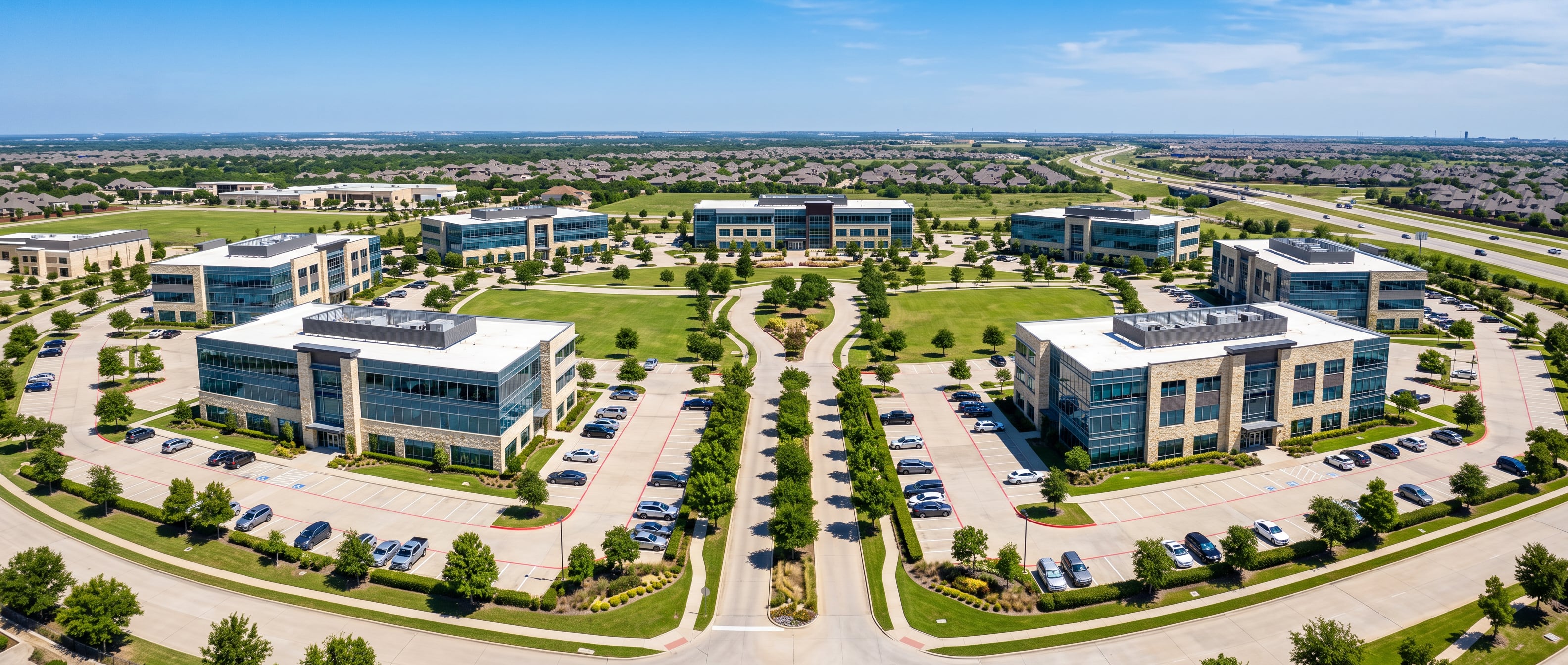
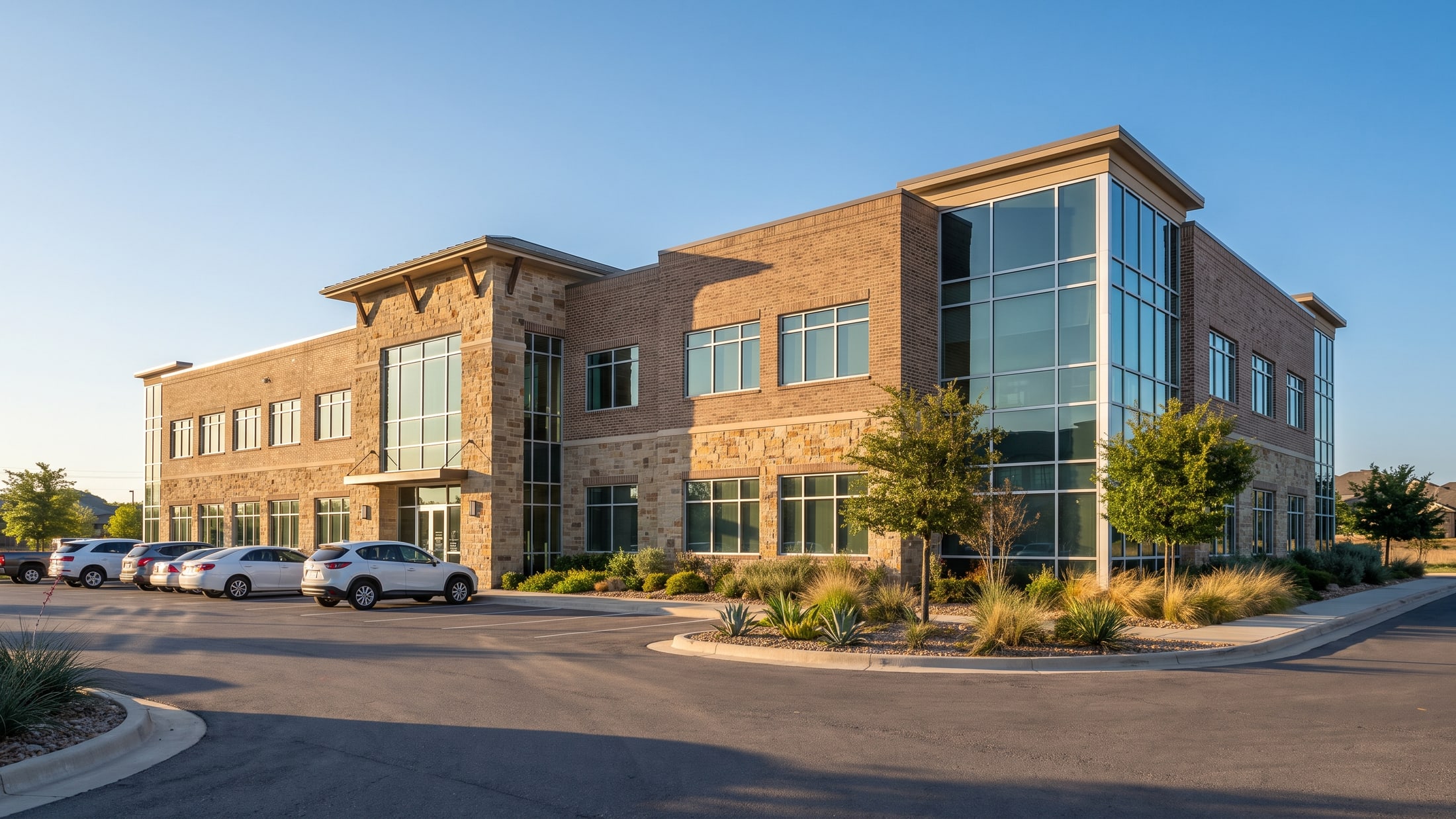
The office market is the most talked about and the most misunderstood. Demand has clearly shifted, but it has not disappeared. Newer buildings with strong amenities and good locations tend to hold up well, while older and less flexible space struggles. The gap between the best and the rest has widened, which creates both risk and opportunity depending on where a building sits.
What to watch
Several factors will shape the next few years. Interest rates affect the cost of buying and building, and even small changes influence how many deals pencil out. Construction costs determine how much new supply gets added, which in turn affects rents and vacancy. Consumer spending drives retail and, indirectly, industrial demand.
None of these can be predicted with certainty, which is why flexibility matters. Owners who keep their buildings competitive, and investors who plan for a range of outcomes rather than a single forecast, tend to weather surprises better than those who bet everything on one scenario.
A steady long term outlook
For all the noise in any given quarter, the long term case for Texas commercial real estate rests on durable fundamentals. A growing population, a diverse economy, and a central location are not quick trends that fade in a year. They are structural advantages that continue to attract businesses and residents.
That does not mean every property or every market will thrive. Success still depends on choosing the right location, the right building, and the right structure for the deal. But the broad direction, more people and more business activity across the state, gives owners and investors a solid backdrop to work against. The firms and individuals who pair that optimism with careful, property level analysis are the ones most likely to benefit from what comes next.
Subscribe to our newsletter
Lorem ipsum dolor sit amet consectetur vitae commodo nunc donec scelerisque nulla arcu lacus risus eu nulla enim ultricies cursus in